Next to kitchens, bathrooms tend to generate the most household waste. If you’re looking for ways to make your home more sustainable and reduce the amount of trash you generate, your bathroom is a good place to start.
In this guide, you’ll discover 10 common bathroom items that can be composted, plus composting tips to help these items break down into compost even faster.
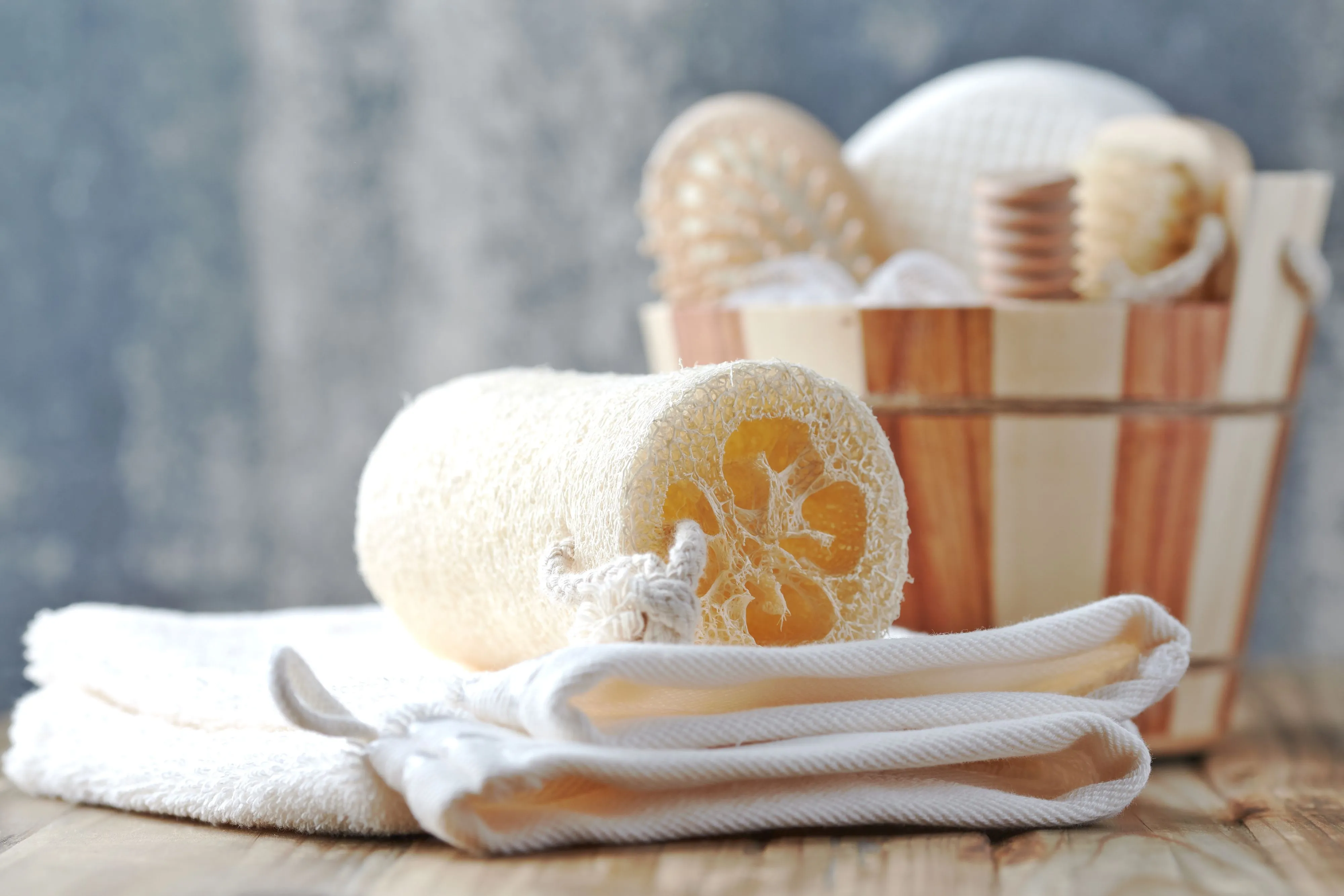
1. Natural Loofahs
Unlike bathroom sponges and scrubbers that are made of artificial fibers, loofah sponges are biodegradable. These sponges are the fibrous interiors of a special type of gourd; they break down quickly in compost piles.
For faster composting, simply cut loofahs into small bits before throwing them in your compost bin and mix the pieces with plenty of nitrogen-rich materials, such as kitchen scraps.
2. Toilet Paper Tubes
Soiled toilet paper is not safe to compost, but the cardboard interior of toilet paper and paper towel tubes are perfectly compostable. In compost piles, these items count as carbon-rich ingredients and compost better when mixed with nitrogen-rich materials and kept damp, but not soggy.
Other cardboard items, such as tissue boxes, can also be composted as long as you remove any leftover plastic film from the cardboard first.
3. Hair
Human and pet hair is made of keratin, a naturally occurring protein that breaks down quickly when exposed to the elements. In compost bins, hair and beard trimmings should take about 6 months to break down, but you can speed up this process by turning compost piles regularly and adding moisture if the compost starts to feel dry.
If you’re composting hair from the shower drain, that’s fine too; however, it’s best to rinse any soapy residue off first.
Related
4. Nail Clippings
Like hair, nail clippings are also made of keratin and are fully biodegradable. Keep in mind, though, that nail polish may contain ingredients you don’t want in your compost pile, so it’s best to compost only polish-free clippings if you intend to use the compost around edible plants.
5. Bamboo Toothbrushes
Most toothbrushes are made of plastic, but bamboo toothbrushes and brushes made of other natural materials can be composted once they reach the end of their usable life. Still, many “compostable” toothbrushes contain nylon bristles, which won’t naturally degrade and can create a mess in compost bins.
To avoid this issue, use pliers or another tool to remove all the toothbrush bristles before tossing the wooden handle in your compost bin, and consider breaking the handle into small pieces before composting.
6. Cotton Swabs and Rounds
Cotton is a natural fiber that will naturally break down into compost over time and is safe for composting as well. Some swabs do have plastic handles, though, so you’ll want to remove all bits of plastic before composting and just compost the leftover cotton pieces.
As with nail clippings, it’s best not to compost swabs and rounds that came in contact with nail polish or other materials that aren’t safe for consumption if you intend to use your compost in veggie or herb beds.
7. Facial Tissues and Paper Towels
If you’ve used facial tissues or paper towels to dry your hands or face, those tissues can be composted once you’re done using them. These items serve as carbon-rich ingredients and compost best when mixed with nitrogen-rich materials at a 3-to-1 ratio.
Paper items also break down faster in warm weather and when compost piles are turned frequently, which regulates the compost temperature and introduces fresh oxygen for the microbes that break down the organic matter.
8. Compostable Dental Floss
Most standard dental floss is made of nylon and is not compostable. But some natural dental flosses are made of products like silk and can be thrown into compost bins after use. Long lengths of floss can pose tangle hazards for wildlife, so it’s much safer to cut floss into short pieces before composting.
9. Cotton Towels
As with swabs and rounds, hand towels and washcloths that are made of 100% cotton can be composted once they develop holes or are no longer fit for use. Towels and other composting ingredients compost faster if you cut them into small bits before throwing them in compost bins. Non-cotton labels should be removed before composting too.
In an actively maintained, hot compost pile, you can expect cotton towel pieces to break down fully in about 3 to 6 months.
10. Wooden Hairbrushes
Wood breaks down into soil over time, so it makes sense that wooden hairbrushes and combs can be composted once they break or aren’t usable. If brushes have any plastic bits attached, remove them before composting using pliers or another hand tool and scrape off as much leftover glue residue as you can.
Breaking hairbrushes into smaller pieces before composting should help them degrade into compost faster, but this step isn’t required if you don’t mind waiting a little longer to generate finished compost.
- <span>Gardening</span>
- <span>Caring for Your Yard</span>
- <span>Compost</span>