- Dormant grass often recovers with proper care; test by watering a small area to check for greening.
- Aerate soil, fertilize appropriately, and mow at recommended heights to help lawns recover.
- Know your grass type; fertilize cool-season grasses in fall but avoid fertilizing warm-season grasses after August.
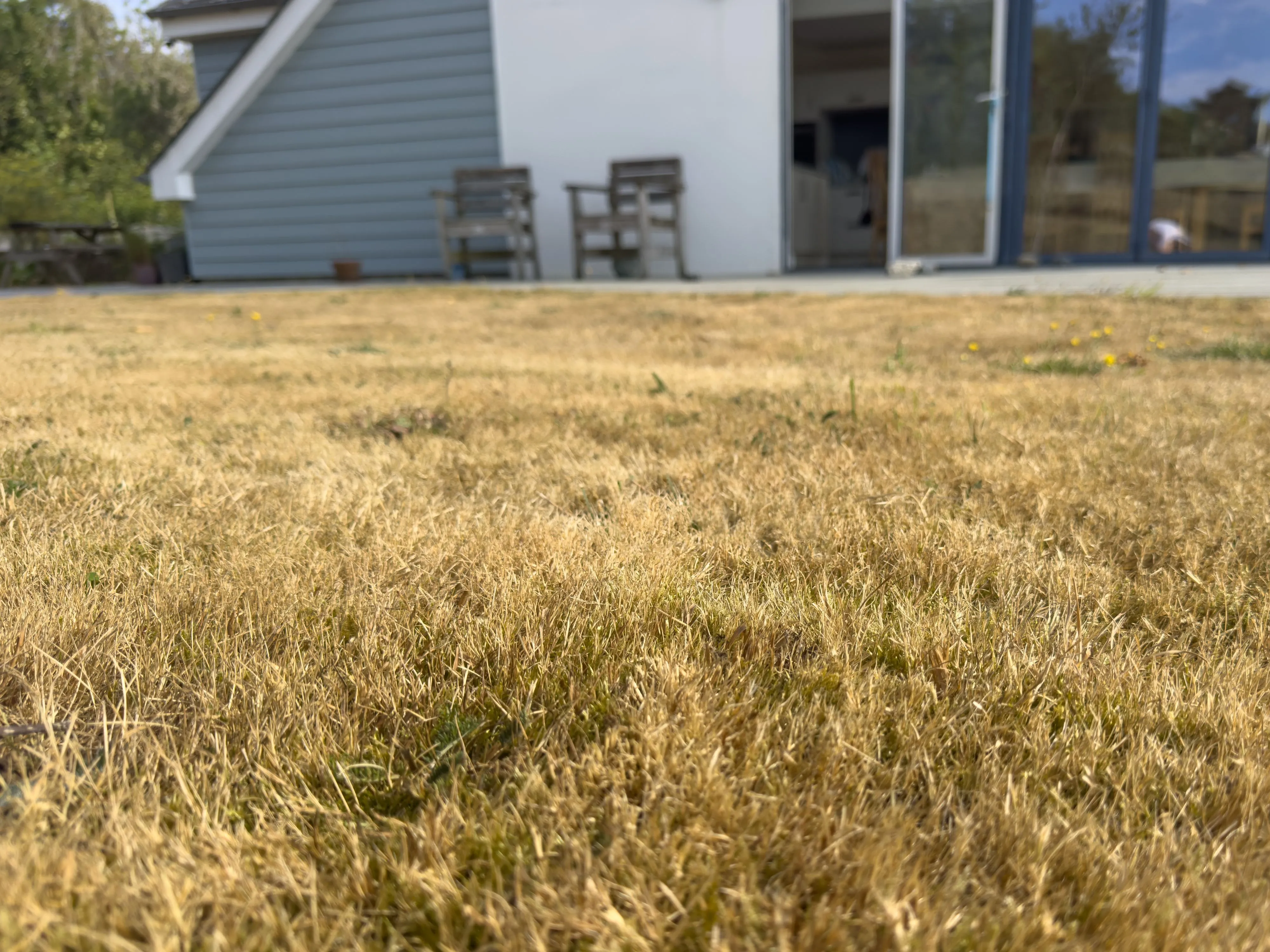
A brown, crispy lawn is to be expected after a period of drought, but as we move toward autumn, turf usually begins to green up. In fall, new green leaf blades appear, overtaking the straw-like dormant grass. Dormancy, a lawn’s way of managing limited resources, isn’t pretty, but it is pretty excellent at ensuring a lawn makes it through trying times.
If your lawn is still dry and brown when weather conditions seem to favor new growth, it’s time to take a closer look. Here’s everything you need to figure out if your grass is dead or dormant, and easy tips to help it green up quickly this fall.
<strong>Dr. Adam Thoms</strong> is an associate professor of commercial turfgrass at Iowa State University.
How to Know Whether Grass Is Dead or Dormant
A brown, lackluster lawn that lingers into September might simply be dormant, still recovering from a significant summer drought. “There is no need to panic,” says Dr. Adam Thoms, associate professor of commercial turfgrass at Iowa State University. “Most grasses will come out of dormancy and fill back in with proper fertilization and time.”
Dr. Thoms notes that while it is tough to distinguish between dead and dormant grass—by all practical appearances, dead and dormant turf looks the same—there is a simple test you can do to quickly find the answer. “Water a small area over a few days,” he says. “See if the yard starts to green up. Most yards will respond pretty quickly.” Dr. Thoms says there is no need to water the entire lawn; if a small section responds well to watering, you can bet the rest of the lawn is just fine too.
Related
How to Care for a Patchy Lawn in Fall
It is not uncommon for a lawn to have a patchy appearance after a prolonged summer drought and dormancy. A yard that was lush and green in early summer moves into fall with an uneven, mottled appearance with small clumps of live and dead grass. Dr. Thoms suggests three easy ways to help a patchy lawn recover in fall.
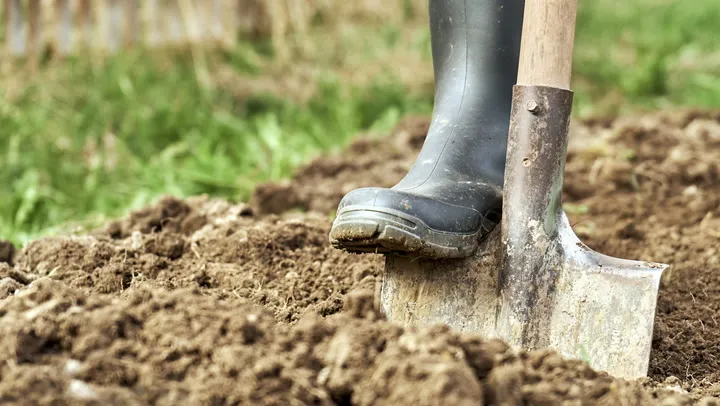
First, aerate your lawn. “Pulling a plug [of soil] will allow for gas exchange to the roots and a path for water infiltration,” he says. When air and moisture can move freely into the soil profile, root growth takes off and green top growth follows. Aeration has multi-year benefits; it will improve the health of the turf in fall after drought and for many seasons beyond.
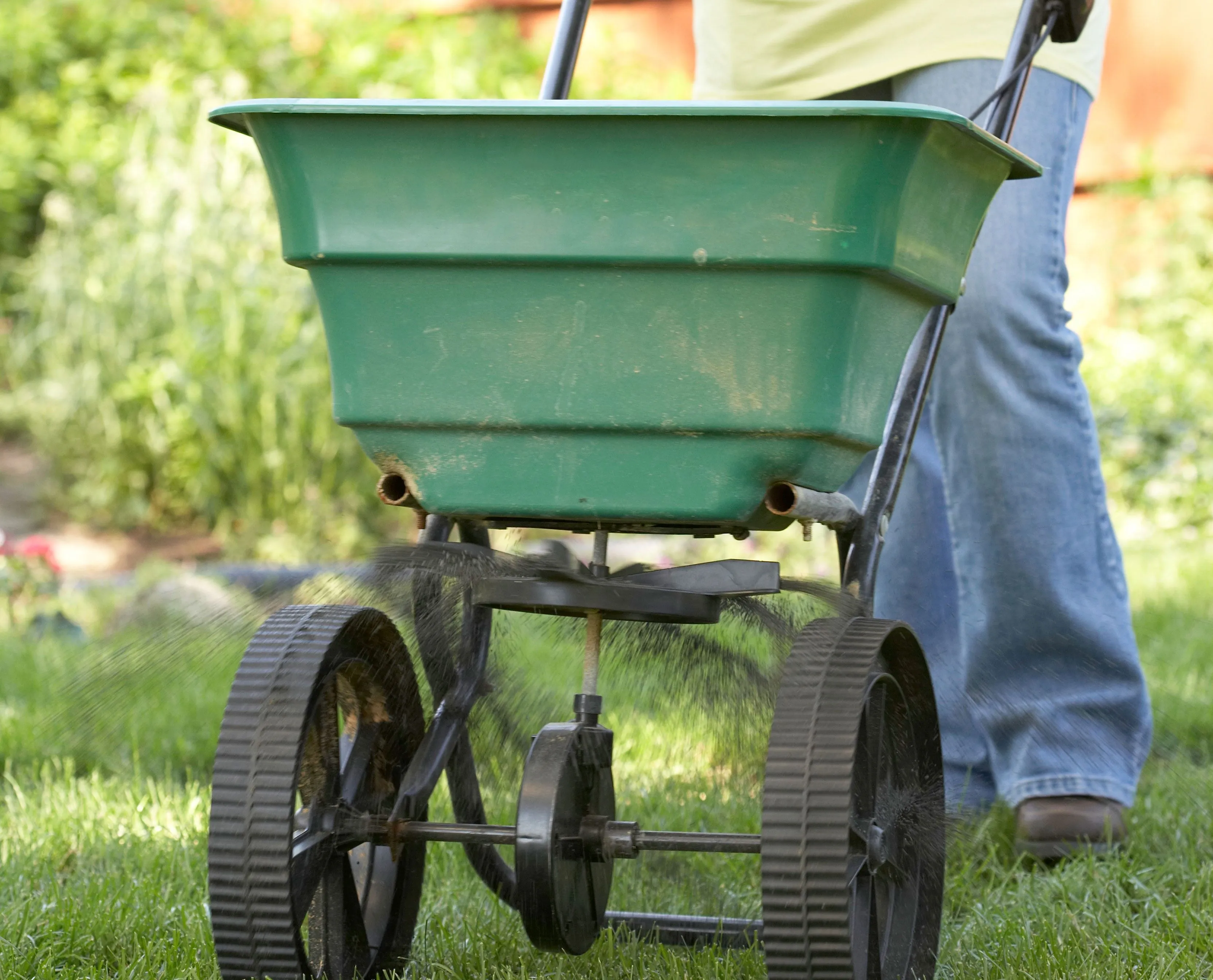
Next, “Fertilize the yard,” Dr. Thoms says. “Feeding the yard can help heal it from summer stress.” Choose a fertilizer product formulated for fall application and the type of grass in your lawn.
Finally, continue to mow grass at the high end of the recommended cutting range. For cool-season grasses, the recommended summer mowing height is 3 ½-4 inches. Warm-season grasses are often cut at 2–2 ½ inches in summer. “Don’t drop the mowing height in fall just because the temperatures are lower,” Dr. Thom says. “This adds unnecessary stress.” Continue to mow high for the rest of the season.
When to Overseed a Drought-Damaged Lawn
When the percentage of dead turfgrass is greater than the live grass, it’s time to take more drastic steps. “I typically say 50 percent death of a lawn will be hard to recover from,” Dr. Thoms notes. “I would overseed at that point.” When overseeding, he is quick to point out that regular water is essential for new seedlings. “Just keep the surface of the soil moist, not deep watering, during the period of germination of the seed.”
When to Fertilize Cool-Season and Warm-Season Grass
Grass type matters when it comes to fall lawn care after a stressful summer growing season. First, know your grass. Warm-season grasses are primarily found in frost-free regions and include Bermudagrass, zoysiagrass, St. Augustine, and centipedegrass. Cool- season grasses are common in northern zones where cold winters are the norm. Kentucky bluegrass and tall fescue are the most common cool-season grasses.
The chief difference in caring for warm-season and cool-season grasses in fall is when fertilizer is applied. While cool-season grasses benefit from fall fertilizer, that’s not the case for warm-season grass. Fertilize warm-season grass in August and then do not fertilize again until the following spring. Too much fertilizer on a warm-season grass going into its winter dormancy period can encourage diseases and make the lawn susceptible to winter injury.
- <span>Gardening</span>
- <span>Caring for Your Yard</span>
- <span>Lawn Care</span>