- Wood ash can raise soil pH, making it ideal for acidic soils, but avoid using it near acid-loving plants like blueberries or azaleas.
- Rich in calcium, potassium, and phosphorus, wood ash supports plant growth but should be diluted with soil.
- Adding small amounts of wood ash to compost reduces acidity, enhances decomposition, and creates nutrient-rich mulch.
Wood ash can be a valuable addition to your garden soil, bringing essential nutrients like potassium and phosphorus. Ashes from your wood-burning fireplace can also improve your garden’s soil, but it’s crucial to use them correctly. While they are beneficial, excessive use can harm your plants. Here are expert tips to help you integrate wood ash safely and effectively.
Chelsea McKinley is a plant health specialist at the U.S. Botanic Garden in Washington, D.C. She holds a B.S. in Environmental Horticulture Science.
Tips for Using Wood Ash in the Garden
Follow these tips to maximize the benefits of wood ash in your garden, while protecting your plants from possible harm.
1. Raise Soil pH
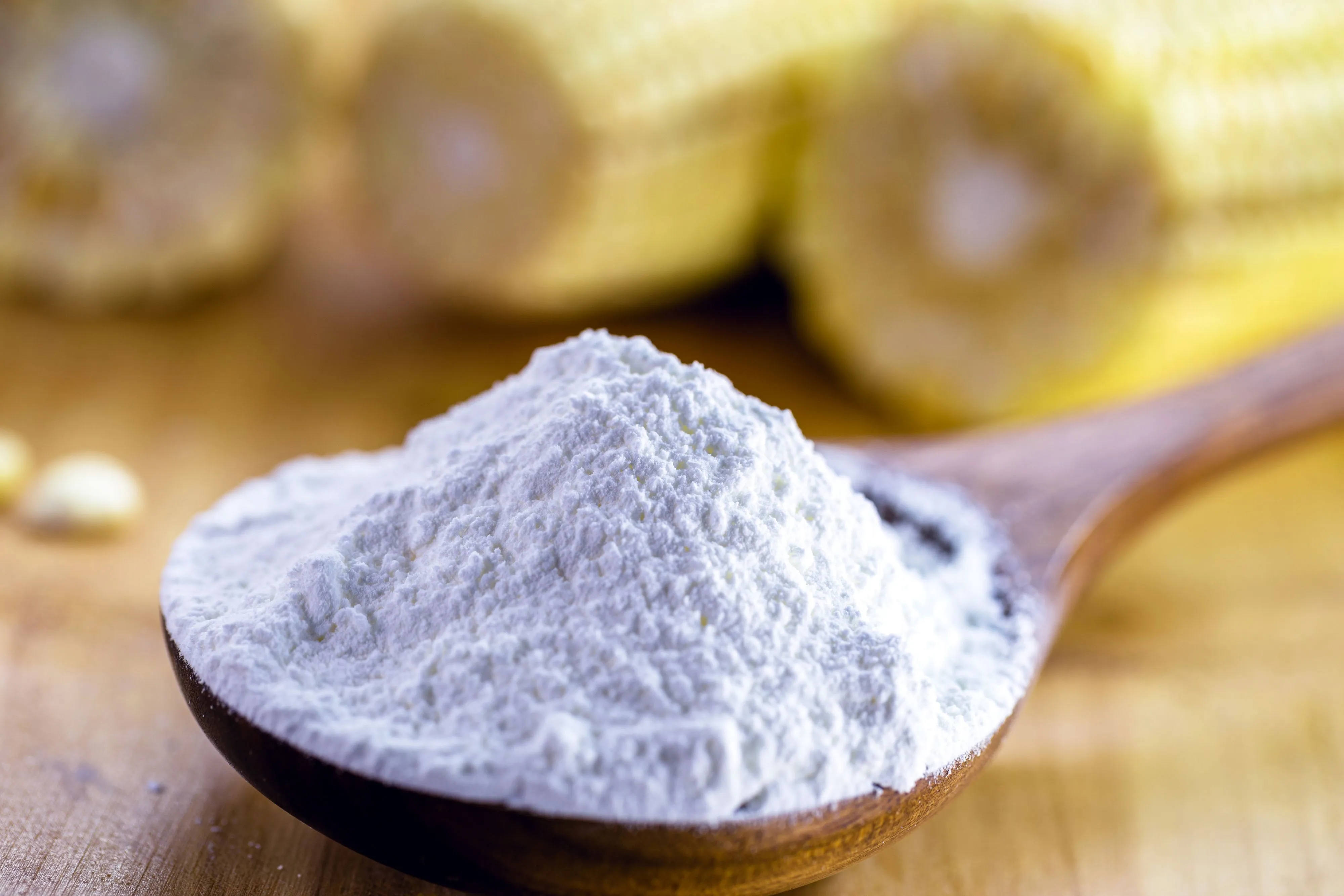
Wood ash has a high pH level, typically between 10 and 12, according to Chelsea McKinley, a plant health specialist at the U.S. Botanic Garden. Most plants thrive in soil with a pH of around 6.5. If your soil is overly acidic (below 6.5) and needs balancing, wood ash can help increase the pH.
“Think of wood ash as an alternative to lime.” McKinley mentions.
Testing your soil is essential before applying wood ash or any soil amendments. Understanding the existing soil conditions helps determine the necessary nutrients for plant growth. Avoid using wood ash around acid-loving plants, as it can raise the soil pH. Steer clear of applying it near blueberry bushes, azaleas, camellias, or other plants that like low-pH, acidic soil.
2. Fertilize Vegetable Gardens
Wood ash provides 25% to 50% calcium, as noted by McKinley. Calcium is crucial for plant growth, aiding in flowering and fruiting, thus benefiting your vegetable garden. It also helps prevent blossom end rot in tomatoes, peppers, squash, and watermelons—a condition caused by calcium deficiency.
In addition to calcium, wood ash contains 5-7% potassium and 1.5-2% phosphorus, both key nutrients for plants. Although it can be a decent fertilizer, McKinley points out that other fertilizers might deliver more nutrients without altering soil pH. “If your soil pH is good, I’d look into other fertilizers,” she advises.
3. Mix Wood Ash with Soil Before Planting
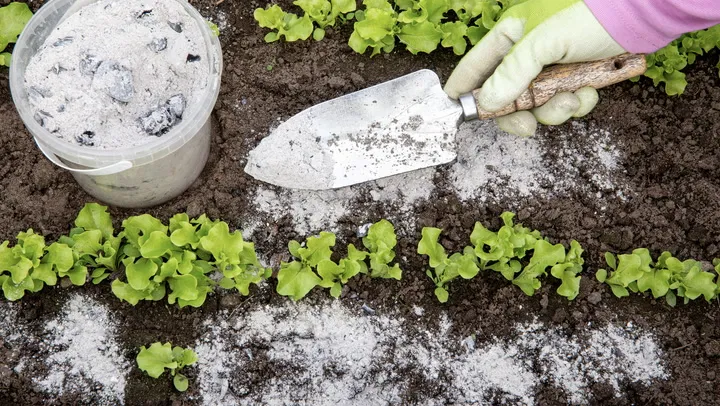
Due to its high pH, wood ash can damage seedlings, plant roots, and leaves if applied directly. “It needs to be diluted with soil,” advises McKinley. Ensure you blend it thoroughly into the soil before planting seeds or transplants.
Related
4. Put Wood Ash in Your Compost Pile
Incorporate small amounts of wood ash into your compost pile to help decrease acidity. A higher pH fosters a beneficial environment for composting worms and results in alkaline compost, which makes excellent mulch for vegetable gardens. Sprinkle a few handfuls of wood ash into your compost pile for every 6 inches of material, mixing thoroughly. Be cautious: Too much wood ash can overly alkalize your compost and slow its breakdown.
Avoid using ash from coal, charcoal briquettes, or treated wood on food crops, as it may contain harmful substances.
5. Lower Your Carbon Footprint
Utilizing wood ash from your fireplace provides an eco-friendly way to manage waste while enriching your soil. It reduces reliance on fertilizers that have been manufactured and transported over long distances. Recycling ash in your garden or compost, especially if you have acidic soil, is far better than discarding it in a landfill. It’s a sustainable way to turn winter’s warmth into summer’s bounty.
- <span>Gardening</span>
- <span>Caring for Your Yard</span>
- <span>Garden Care</span>